
Sidra Chain is a next-generation blockchain platform designed to combine decentralized technology with Islamic finance principles. Unlike traditional blockchains that focus purely on speed or speculation, Sidra Chain emphasizes ethical finance, transparency, and real-world usability.

At its core, Sidra Chain enables users to perform secure digital transactions, build decentralized applications (dApps), and manage digital assets while adhering to Shariah-compliant financial standards. This makes it especially appealing to individuals and institutions seeking blockchain solutions that align with Islamic values.
For beginners, Sidra Chain can be understood as a trust-based digital wallet ledger that records transactions in a secure, tamper-resistant way—without relying on centralized authorities such as banks or intermediaries.
The Core Vision and Mission Behind Sidra Chain
Building an Ethical and Inclusive Financial Ecosystem
The primary mission of Sidra Chain is to create a fair, inclusive, and morally responsible blockchain ecosystem. It aims to bridge the gap between modern financial technology and ethical financial conduct by eliminating practices such as interest (riba), excessive uncertainty (gharar), and speculative behavior.
Sidra Chain envisions a global financial network where users can participate confidently, knowing that transactions are governed by transparent rules and ethical constraints rather than unchecked profit motives.
Empowering Communities Through Decentralization
Another key vision behind Sidra Chain is financial empowerment. By leveraging decentralization, Sidra Chain reduces dependency on centralized financial institutions and opens access to digital finance for underserved communities, particularly in regions where Islamic finance is widely practiced.
How Sidra Chain Works: Architecture and Consensus Mechanism
Blockchain Architecture Explained Simply
Sidra Chain operates on a distributed ledger architecture, where transaction data is stored across multiple nodes instead of a single central server. Each transaction is verified, encrypted, and added to a chain of blocks, ensuring data integrity and resistance to manipulation.
This architecture enhances security, transparency, and fault tolerance, making the network reliable even if some nodes go offline.
Consensus Mechanism for Secure Validation
Sidra Chain uses a consensus mechanism that ensures all network participants agree on the validity of transactions before they are recorded. This mechanism is designed to be energy-efficient and ethically aligned, avoiding wasteful computational processes often associated with traditional proof-of-work systems.
By prioritizing fairness and accountability, Sidra Chain’s consensus model helps maintain trust while supporting scalable network growth.
Islamic Finance and Shariah-Compliant Principles in Sidra Chain
Eliminating Riba, Gharar, and Unethical Practices
One of Sidra Chain’s defining characteristics is its strict adherence to Shariah-compliant financial principles. The platform is structured to avoid interest-based earnings, excessive uncertainty, and speculative transactions that are prohibited in Islamic finance.
Smart contracts and financial products on Sidra Chain are designed to reflect asset-backed and value-driven transactions, ensuring ethical alignment. You can also mine it to earn more sidra coins.
Transparency and Accountability by Design
Shariah compliance also emphasizes full transparency and mutual consent, both of which are embedded into Sidra Chain’s blockchain logic. Every transaction is traceable, verifiable, and immutable, supporting ethical auditing and compliance verification.
Key Features That Make Sidra Chain Different From Other Blockchains
Shariah-First Blockchain Design
Unlike most blockchains that adapt Islamic finance later, Sidra Chain is built from the ground up with Shariah compliance in mind. This foundational approach sets it apart from conventional blockchain platforms.
Ethical Smart Contracts
Sidra Chain supports smart contracts that are structured to follow ethical financial rules, reducing the risk of exploitative or non-compliant agreements.
Community-Driven and Inclusive Network
The platform encourages community participation, governance transparency, and equitable access, making it suitable for both individual users and institutional adoption.
Focus on Real-World Utility
Rather than speculative hype, Sidra Chain emphasizes practical use cases, such as ethical payments, asset tokenization, and compliant decentralized finance (DeFi) solutions.
Sidra Coin (SDA): Utility, Value, and Ecosystem Role
What Is Sidra Coin (SDA)?
Sidra Coin (SDA) is the native digital asset of the Sidra Chain ecosystem. It functions as the primary medium of exchange within the network, enabling users to pay transaction fees, interact with decentralized applications (dApps), and participate in ecosystem-level activities.

Unlike purely speculative cryptocurrencies, Sidra Coin is designed with utility-first principles, ensuring that its value is closely tied to real usage rather than market hype alone.
Utility of Sidra Coin Within the Ecosystem
Sidra Coin plays several essential roles, including:
- Paying network and transaction fees
- Supporting smart contract execution
- Facilitating peer-to-peer transfers
- Enabling participation in governance and ecosystem services
Because the network is structured around ethical and Shariah-compliant finance, Sidra Coin is intended to support productive, asset-backed, and value-driven transactions.
Value Proposition of SDA
The value of Sidra Coin is derived from network adoption, transaction demand, and ecosystem growth. As more users, developers, and institutions utilize Sidra Chain for compliant financial activities, the demand for SDA naturally increases, reinforcing its role as a functional digital asset rather than a speculative instrument.
Real-World Use Cases of Sidra Chain Across Industries
Islamic Finance and Ethical Banking
Sidra Chain is particularly suited for Islamic finance applications, including compliant payments, profit-sharing models, and asset-backed financing. Its blockchain infrastructure supports transparent record-keeping while avoiding interest-based mechanisms.
Trade, Supply Chain, and Halal Certification
In supply chain management, Sidra Chain can be used to track goods from origin to delivery, ensuring authenticity, traceability, and halal compliance. Blockchain records help reduce fraud and increase trust among buyers and sellers.
Digital Identity and Record Management
Sidra Chain also supports secure digital identity solutions, enabling individuals and organizations to manage credentials, ownership records, and certifications with immutability and privacy protection.
Cross-Border Payments and Remittances
By eliminating intermediaries, Sidra Chain enables faster and lower-cost cross-border transactions, making it especially useful in regions where traditional banking access is limited or expensive.
Sidra Chain vs Traditional Blockchains: A Comparative Insight
Ethical Foundation vs Profit-Driven Design
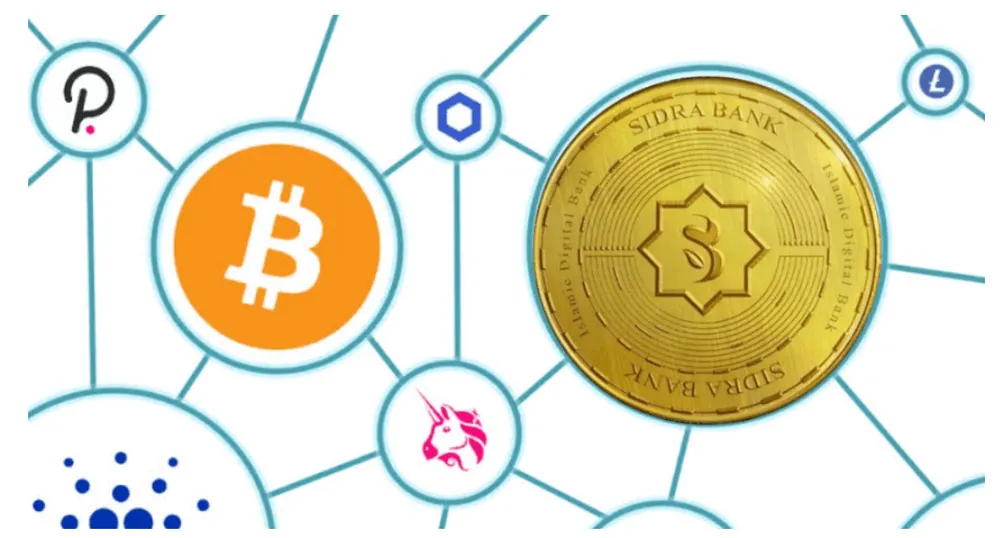
Traditional blockchains often prioritize speed, scalability, or speculative trading. Sidra Chain, by contrast, is built on an ethical-first framework, ensuring compliance with Islamic financial principles from the protocol level upward.
Compliance-Oriented Smart Contracts
While many blockchains allow unrestricted smart contracts, Sidra Chain emphasizes financial discipline and compliance, reducing the likelihood of exploitative or non-transparent agreements.
Target Audience and Adoption Focus
Traditional blockchains typically target developers and traders. Sidra Chain expands its focus to include faith-based institutions, ethical investors, and real-world enterprises, broadening blockchain adoption beyond niche communities.
Security, Transparency, and Governance on Sidra Chain
Advanced Security Measures
Sidra Chain uses cryptographic techniques and decentralized validation to protect the network against fraud, double-spending, and unauthorized data manipulation. Transactions are verified before being permanently recorded, ensuring network integrity.
Transparency Through Immutable Records
All transactions on Sidra Chain are stored on an immutable public ledger, allowing participants to verify activities without relying on trust in a central authority. This transparency is especially important for compliance audits and ethical finance verification.
Decentralized and Accountable Governance
Governance on Sidra Chain is designed to be community-driven and accountable. Network participants can take part in decision-making processes, protocol upgrades, and ecosystem policies, ensuring that no single entity has unchecked control.
FAQs
1. What is Sidra Chain used for?
Sidra Chain is used to support Shariah-compliant blockchain applications, including decentralized finance (DeFi), digital payments, asset tokenization, and smart contracts that align with ethical and Islamic financial principles.
2. Is Sidra Chain different from traditional blockchains like Ethereum or Bitcoin?
Yes, Sidra Chain differs by focusing on ethical finance and Shariah compliance, avoiding interest (riba), excessive uncertainty (gharar), and unethical business activities while still leveraging decentralized blockchain technology.
3. What is Sidra Coin (SDA) and how does it work?
Sidra Coin (SDA) is the native digital asset of the Sidra Chain ecosystem. It is used for transaction fees, network participation, and accessing decentralized applications built on the blockchain.
4. Is Sidra Chain Shariah-compliant?
Sidra Chain is designed to follow Islamic finance principles by ensuring transparency, asset-backed value, and ethical use cases, making it suitable for users seeking Shariah-compliant blockchain solutions.
5. What are the main benefits of using Sidra Chain?
Key benefits include ethical financial compliance, enhanced transparency, decentralized governance, secure transactions, and real-world utility across finance, trade, and digital identity systems.