
In 2026, Sidra Chain has emerged as a notable player in the cryptocurrency ecosystem, attracting both conventional investors and those interested in Shariah-compliant digital assets. As of today’s live market data, Sidra Chain trades with notable volatility, reflecting broader crypto market trends and specific developments within its ecosystem.
At the time of writing, the live price of Sidra Chain is influenced by trading volume, market sentiment, and broader macroeconomic conditions affecting digital assets. Investors closely monitor price moves on major exchanges and market aggregators, although the price remains subject to rapid change due to liquidity and trading activity. Real-time pricing is crucial for traders seeking entry or exit points, especially in a market that can shift within minutes.
Technically, Sidra Chain has shown periods of resistance and support forming around key psychological price levels. Breakouts above resistance often coincide with positive news or ecosystem milestones. Conversely, price corrections down to support zones typically reflect broader market retracements.
Historical Performance of Sidra Chain Price
Since its launch, Sidra Chain has experienced several distinct phases of price performance:
1. Initial Launch and Early Adoption
During its early trading days, Sidra Chain’s price was largely driven by speculative interest and initial exchange listings. Early adopters saw price surges as awareness grew within niche crypto communities.
2. Market Expansion and Volatility
As trading volume increased, the price exhibited typical cryptocurrency volatility. Larger price swings corresponded with heightened interest on social platforms, partnerships within Islamic finance sectors, and listings on additional exchanges.
3. Major Corrections and Consolidation
Like many digital assets, Sidra Chain faced significant corrections during broader market downturns. These pullbacks tested long-term holders and highlighted the importance of strong fundamentals to weather downturns.
4. Recent Price Trends
In recent months, Sidra Chain has shown stronger levels of consolidation, indicating that investor confidence and ecosystem usage may be stabilizing. This trend suggests a maturing asset, though like all crypto, it remains sensitive to market conditions.
Ultimately, the historical price movement of Sidra Chain reflects both the broader crypto cycle and unique interest from communities seeking compliant digital asset options.
Key Factors Influencing Sidra Chain Value
Several pivotal factors play a role in determining the value of Sidra Chain:
Market Demand & Liquidity
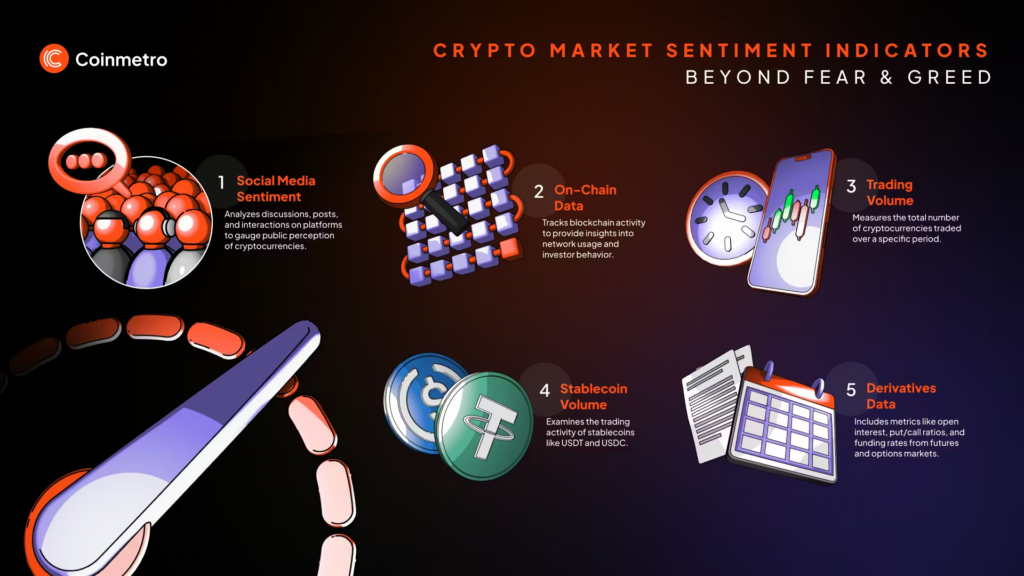
Higher demand — driven by trading volume and investor interest — naturally pushes prices upward. Similarly, liquidity across exchanges helps stabilize price movements.
Ecosystem Developments
Launches of decentralized applications (dApps), partnerships with other blockchain projects, or upgrades to the protocol can positively impact price by signaling real utility and future growth.
Regulatory Environment
Cryptocurrencies broadly respond to regulatory news. Sidra Chain, with its focus on compliance, may be more sensitive to legislation affecting digital assets and financial compliance in key markets.
Broader Crypto Market Trends
Price correlation with assets like Bitcoin and Ethereum means Sidra Chain often moves in tandem with overall market sentiment. Bullish cycles can lift altcoins, while bearish phases can suppress speculative assets.
Community & Adoption
Growing user adoption and community engagement — especially in regions where compliant finance is prioritized — can influence demand and perception of long-term value.
These variables, among others, combine to shape the market value of Sidra Chain at any given moment.
Role of Shariah-Compliant Finance in Sidra Chain Growth
One of Sidra Chain’s distinguishing features is its alignment with Shariah-compliant financial principles. This emphasis has significant implications:
- Attracting Ethical Investment: Shariah compliance opens Sidra Chain to investors seeking digital assets that adhere to ethical and religious financial guidelines, particularly in the Muslim world.
- Risk Sharing & Transparency: Islamic finance principles encourage risk sharing and prohibit excessive uncertainty (gharar), which can make Sidra Chain’s design more appealing to conservative investors compared with traditional cryptocurrencies lacking compliance frameworks.
- Institutional Interest: Financial institutions exploring compliant digital asset offerings may view Sidra Chain favorably due to its foundational compliance ethos, helping drive institutional participation.
As global demand grows for compliant financial products, Sidra Chain is well positioned to benefit from this structural trend — potentially catalyzing growth beyond traditional crypto audiences.
Sidra Chain Token Utility and Ecosystem Use Cases
The Sidra Chain token (often referred to simply as the Sidra token) serves multiple functions within its ecosystem:
1. Transaction & Gas Fees

Tokens are used to pay for transactions and smart contract execution, enabling smooth network operations.
2. Governance Participation
Sidra token holders often participate in decentralized governance — voting on proposals that influence network direction, upgrades, and community decisions.
3. Staking & Rewards
Some protocols allow token staking, where holders can lock tokens to secure the network and earn rewards in return. This encourages long-term holding and network stability.
4. Incentives for dApps
Developers building on Sidra Chain may use tokens to incentivize users within decentralized applications — boosting ecosystem engagement.
5. Cross-Chain Interactions
If integrated with cross-chain bridges or networks, Sidra tokens can facilitate transactions across other blockchains, expanding utility and interoperability.
These use cases illustrate that the Sidra token is more than a speculative asset — it’s a functional component that supports operations and incentives within a growing decentralized ecosystem.
Sidra Chain Price Trends and Technical Indicators
Sidra Chain price trends generally follow the broader structure of the cryptocurrency market, while also reacting to ecosystem-specific developments. From a technical analysis perspective, traders often rely on indicators to understand momentum, trend strength, and potential reversals.
One commonly used indicator is the Relative Strength Index (RSI). When Sidra Chain’s RSI moves above the 70 level, it may signal overbought conditions, suggesting a potential short-term pullback. Conversely, RSI levels below 30 often indicate oversold conditions, which some traders interpret as possible rebound zones.
Another widely followed tool is the Moving Average Convergence Divergence (MACD). Bullish crossovers in the MACD have historically aligned with periods of upward price momentum, while bearish crossovers often precede corrective phases. Moving averages, such as the 50-day and 200-day averages, also play a role in identifying long-term trend direction.
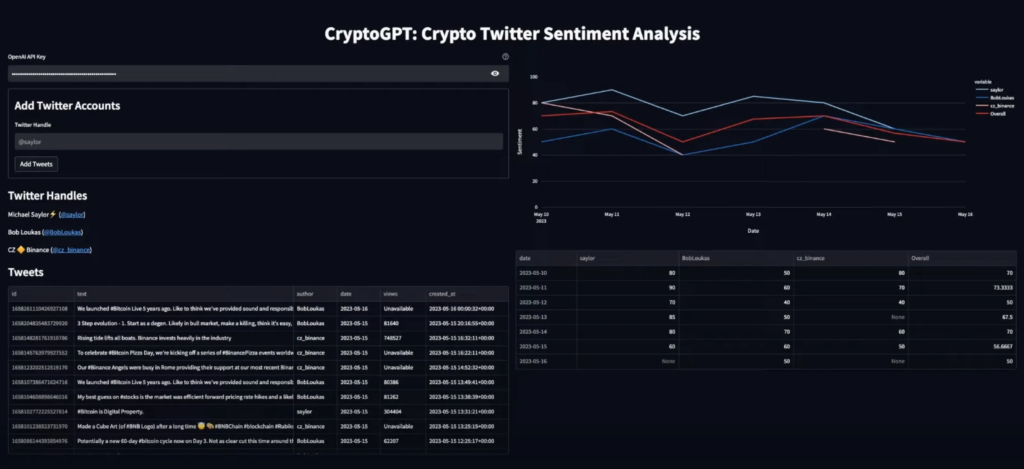
Support and resistance levels remain critical for Sidra Chain price action. Strong support zones reflect areas where buyers have historically stepped in, while resistance zones represent price levels where selling pressure tends to increase. Breakouts above resistance, when confirmed by volume, are often viewed as bullish signals.
Sidra Chain Price Forecast: Short-Term and Long-Term Outlook
Forecasting Sidra Chain’s price involves uncertainty, but scenario-based outlooks can help frame expectations.
Short-Term Outlook
In the short term, Sidra Chain’s price is likely to remain sensitive to:
- Overall crypto market sentiment
- Bitcoin price movements
- News related to listings, partnerships, or platform updates
Short-term traders often expect sideways movement with volatility spikes, especially during broader market rallies or sell-offs. Price consolidation phases are common when the market waits for clearer signals.
Long-Term Outlook
From a long-term perspective, Sidra Chain’s valuation depends more heavily on adoption, real-world utility, and sustained ecosystem growth. If the network continues expanding its Shariah-compliant use cases and attracts developers and institutions, long-term price appreciation becomes more plausible.
However, long-term forecasts assume successful execution of the roadmap and favorable market conditions. As with all cryptocurrencies, there is no guaranteed outcome, and projections should be viewed as possibilities rather than certainties.
Market Sentiment and Community Impact on Sidra Chain Price
Market sentiment plays a powerful role in shaping Sidra Chain’s price movements. Positive sentiment — driven by optimistic news, active development updates, or growing community engagement — often translates into increased buying pressure.
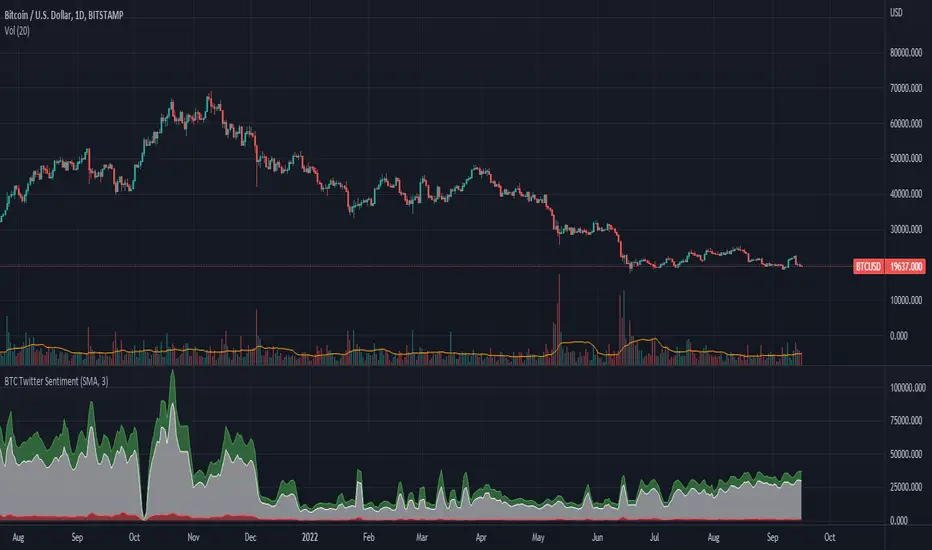
The Sidra Chain community is particularly influential due to its strong focus on ethical and Shariah-compliant finance. Community discussions on social platforms, forums, and messaging groups can rapidly amplify narratives, whether bullish or cautious.
Announcements related to partnerships, compliance milestones, or ecosystem growth tend to boost confidence. On the other hand, silence from developers or unmet expectations can negatively affect sentiment, even if the project fundamentals remain unchanged.
In many cases, sentiment-driven price moves may be temporary. Long-term value typically aligns more closely with real adoption rather than hype alone.
Risks and Challenges Affecting Sidra Chain Valuation
Despite its unique positioning, Sidra Chain faces several risks that may influence its valuation.
Market Volatility
Cryptocurrency markets are inherently volatile. Sharp price swings can occur with little warning, driven by macroeconomic news or sudden shifts in investor sentiment.
Regulatory Uncertainty
While Sidra Chain emphasizes compliance, evolving global crypto regulations could impact trading access, exchange listings, or user participation in certain regions.
Adoption Risk
The long-term success of Sidra Chain depends on consistent adoption by users, developers, and institutions. Slower-than-expected growth could limit valuation potential.
Competition
The blockchain space is highly competitive. Other platforms focusing on ethical finance or compliance may compete for the same user base and partnerships.
Technology & Execution
Delays in development, security vulnerabilities, or failure to deliver promised features could weaken investor confidence and negatively affect price.
Understanding these risks is essential for anyone evaluating Sidra Chain as part of a broader digital asset portfolio.
FAQs
1. What is Sidra Chain and why is it gaining attention?
Sidra Chain is a blockchain platform designed to support Shariah-compliant finance, offering ethical, interest-free, and transparent digital financial solutions. Its focus on Islamic finance principles has attracted global attention.
2. What is the Sidra Chain price today?
Sidra Chain price today depends on real-time market conditions such as trading volume, demand, and overall crypto market sentiment. Prices may vary across exchanges.
3. What factors drive the price of Sidra Chain?
The price of Sidra Chain is influenced by adoption of its ecosystem, Shariah-compliant use cases, market demand, regulatory developments, and broader cryptocurrency trends.
4. Is Sidra Chain Shariah-compliant?
Yes, Sidra Chain is built specifically to align with Islamic finance principles, avoiding interest (riba), excessive uncertainty (gharar), and unethical investments.
5. Can Sidra Chain price increase in the future?
Future price growth may depend on ecosystem expansion, partnerships, increased adoption, and overall crypto market performance. However, price predictions are speculative.