
The explosive rise and fall of cryptocurrency values often echoes the patterns seen in other asset bubbles, but a closer look reveals unique psychological and regulatory influences at play. As investors grapple with feelings of urgency driven by FOMO and the ever-changing landscape of regulations, the dynamics of crypto bubbles unfold in ways that can be both captivating and alarming. Understanding these factors is crucial for anyone navigating the tumultuous waters of digital currency investment.
What are the historical instances of lesser-known crypto bubbles?
Early Altcoin Booms
In the early days of cryptocurrency, numerous altcoins emerged, each claiming to solve different problems. One notable instance is the rise of Litecoin in 2013, which experienced an explosive growth from $4 to over $40 in a matter of weeks. This surge was fueled by investor excitement and the novelty of alternative currencies. However, like many others, it eventually faced a significant correction. This cycle of rapid growth and decline is a defining feature of many early altcoins.
Niche Tokens and Their Surges
Less prominent tokens have also seen incredible price surges. For instance, BitConnect was launched in 2016 and quickly gained attention for its promise of high returns through a lending platform. The token’s value skyrocketed to around $463 at its peak, driven by aggressive marketing and the allure of easy profits. Yet, this bubble burst in early 2018, leading to substantial losses for investors. This case exemplifies how niche tokens can capture market interest and later collapse dramatically.
Case Studies of Crypto Crashes
Examining specific instances of crypto crashes reveals patterns and lessons. The collapse of OneCoin is a striking example. Marketed as a revolutionary cryptocurrency, it attracted billions in investment but was later exposed as a Ponzi scheme. By 2017, the token was effectively worthless, and many investors were left with heavy losses. Such events underscore the importance of due diligence and skepticism in a volatile market. the historical instances of lesser-known crypto bubbles highlight the cyclical nature of these markets. These examples show how investor enthusiasm can lead to rapid price increases, followed by dramatic downturns, providing context for understanding current trends in the cryptocurrency landscape. The patterns observed in these early bubbles are crucial for anticipating future developments in the market.
How do psychological factors influence crypto bubbles?
Herd Mentality in Crypto Investing
Herd mentality significantly impacts crypto investing. This phenomenon occurs when individuals follow the actions of a larger group, often without independent analysis. In the crypto market, this can lead to rapid price increases, as investors rush to buy assets that seem popular. Unlike traditional markets, where fundamentals often guide investor decisions, the crypto space can amplify this behavior, creating bubbles based purely on sentiment.
The Role of FOMO
Fear of Missing Out (FOMO) is another psychological factor that drives crypto bubbles. When investors see prices soaring and hear stories of massive gains, the anxiety of missing potential profits can lead to impulsive buying. This can perpetuate the bubble, as new entrants drive prices even higher based on emotion rather than rational investment strategies. FOMO is particularly pronounced in the crypto world, where social media amplifies success stories.
Comparative Analysis with Traditional Markets
Comparing crypto bubbles to traditional market bubbles reveals key differences. In established markets, prices often reflect economic fundamentals, while crypto assets can fluctuate wildly based on collective emotions. For instance, during the dot-com bubble, companies had underlying business models. In contrast, many crypto projects lack solid fundamentals, leading to speculative investments driven by psychological factors. This dynamic makes crypto markets uniquely susceptible to volatility.
Psychological aspects, like herd mentality and FOMO, play crucial roles in the crypto market. These factors often overshadow traditional valuation methods, leading to extreme price movements. Understanding these dynamics can help investors work through the volatile landscape better.
What impact do regulatory changes have on crypto bubbles?
Key Regulatory Changes in Crypto
Regulatory changes have a significant impact on the cryptocurrency market. Various governments have enacted policies that either support or hinder crypto activities. For instance, the introduction of stricter regulations can lead to a decrease in investor confidence, often resulting in market downturns. Conversely, favorable regulations can encourage investment, leading to market surges. Understanding these dynamics is crucial for investors looking to work through the crypto landscape.
Case Studies of Regulatory Impact
-
China’s Ban on Crypto Transactions: In 2017, China implemented a ban on initial coin offerings (ICOs) and cryptocurrency exchanges. This decision triggered a significant drop in Bitcoin’s value, illustrating how swift regulatory actions can create panic and lead to market corrections.
-
SEC’s Stance on ICOs: The U.S. Securities and Exchange Commission (SEC) has consistently clarified its position on ICOs, treating many as securities. This stance has caused fluctuations in market activity, with projects either adjusting to comply or facing substantial setbacks. The SEC’s actions showcase the profound influence regulatory clarity can have on market stability.
-
El Salvador’s Bitcoin Adoption: Conversely, in 2021, El Salvador became the first country to adopt Bitcoin as legal tender. This groundbreaking decision led to a spike in Bitcoin’s value, demonstrating how positive regulatory measures can ignite investor interest and drive growth.
-
European Union’s MiCA Regulation: The proposed Markets in Crypto-Assets (MiCA) regulation aims to provide a framework for crypto assets in the EU. Anticipated to enhance investor protection, this regulation could stabilize the market by offering clearer guidelines, potentially preventing future bubbles.
Future Implications for Investors
The evolving regulatory landscape will continually shape the cryptocurrency market. Investors should stay informed about policy changes in their respective countries and globally. Understanding the implications of these regulations can help work through potential market shifts, ensuring informed investment decisions.
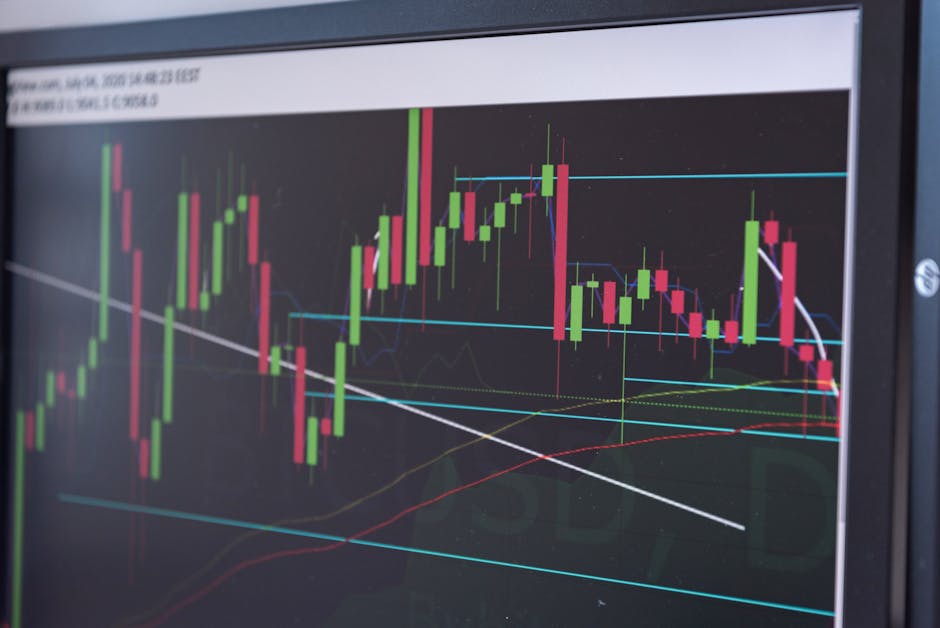
How do technological advancements contribute to crypto bubbles?
-
Rise of DeFi (Decentralized Finance). DeFi platforms have dramatically changed how people interact with financial services, allowing users to lend, borrow, and trade without traditional intermediaries. This innovation has attracted significant investment and speculation, contributing to market bubbles as investors rush to capitalize on new opportunities.
-
Impact of NFTs (Non-Fungible Tokens). NFTs have revolutionized the art and entertainment industries, creating unique digital assets that can be bought, sold, and traded. This technology generated enormous hype, leading to speculative investments and contributing to recent crypto bubbles as collectors and investors sought to profit from rising values.
-
Smart Contracts. Smart contracts enable automated, self-executing agreements without intermediaries. They enhance trust and efficiency in transactions, driving increased interest and investment in blockchain projects. This technology has fueled bubbles as projects use smart contracts to attract speculators and investors seeking the next big thing.
-
Layer 2 Solutions. Innovations like Layer 2 scaling solutions aim to improve blockchain efficiency and decrease transaction costs. By enhancing the user experience, these technologies have drawn significant attention and investment, often inflating market values as traders anticipate widespread adoption.
-
Tokenization of Real-World Assets. The ability to tokenize real estate, stocks, or art allows fractional ownership and greater liquidity. This technological advancement has opened new investment avenues, often leading to inflated market valuations as speculators flock to capitalize on perceived opportunities.
Technological advancements like DeFi and NFTs play pivotal roles in the dynamics of crypto bubbles. They drive investor interest and speculation, often leading to rapid price increases and subsequent corrections. Understanding these technologies helps clarify the market’s behaviors.
Rise of DeFi
DeFi has transformed the financial landscape by offering decentralized alternatives to traditional banking products. Users can earn interest, trade assets, and access loans without intermediaries. This shift has sparked massive investment, exemplifying how technology influences market trends.
Impact of NFTs
NFTs have become cultural phenomena, representing ownership in digital art, music, and collectibles. Their rise has drawn mainstream attention and investment, creating bubbles as prices surged amid hype and speculation, showcasing the powerful impact of technology on market dynamics.
Other Technological Drivers
Emerging technologies, like blockchain interoperability and improved security protocols, also contribute to crypto bubbles. These innovations enhance user confidence and broaden use cases, attracting new investors and exacerbating speculative trends within the crypto market.

How do crypto bubbles compare with historical asset bubbles?
The Dot-Com Bubble vs. Crypto Bubbles
How do crypto bubbles compare with the dot-com bubble? Both experienced rapid price increases driven by speculation. In the late 1990s, the dot-com bubble saw internet stocks soar, fueled by excitement about technological advancement. Similarly, cryptocurrencies surged as investors chased the potential of blockchain technology. However, the dot-com bust in 2000 revealed unsustainable business models, while many cryptocurrencies lack clear fundamentals, making their value even more volatile.
Real Estate Bubbles Compared to Crypto
Real estate bubbles share similarities with crypto bubbles, particularly in how speculation plays a role. The U.S. housing bubble leading to the 2008 financial crisis saw prices escalate due to easy credit and investor frenzy. Similarly, crypto markets have witnessed speculative buying, often driven by the fear of missing out. Unlike real estate, crypto lacks intrinsic physical value, contributing to rapid fluctuations in market confidence.
Lessons Learned from Historical Bubbles
Historical bubbles provide crucial insights for investors today. One lesson emphasizes the danger of herd mentality, as seen in both the dot-com and crypto markets. Investors often chase trends without understanding the underlying technologies or market fundamentals. The importance of regulatory frameworks also emerges, as sudden regulatory changes can trigger sharp market declines, demonstrated in both real estate and crypto bubbles.
| Aspect | Dot-Com Bubble | Crypto Bubbles |
|---|---|---|
| Speculative Nature | High | Very High |
| Market Fundamentals | Often Weak | Often Weak |
| Impact of Regulation | Limited at the time | Significant at times |
| Investor Psychology | Herd Mentality | FOMO and Herd Mentality |
| Outcome | Major Crash | Ongoing Volatility |
Both crypto and historical asset bubbles show that speculation can lead to unsustainable growth followed by sharp declines, teaching investors the importance of careful analysis and understanding market dynamics.

What are the key indicators of an impending crypto bubble?
Signs to Watch For
Recognizing signs of an impending crypto bubble can help investors make informed decisions. Key indicators include rapid price increases and excessive media attention. When prices surge without substantial underlying value, caution is warranted. Additionally, a spike in new investors entering the market can often signal speculative behavior, heightening the risk of a bubble.
Market Sentiment Indicators
Market sentiment matters in identifying potential bubbles. A strong sense of optimism or euphoria among traders can be a red flag. When most discussions revolve around predictions of continued price rises, it often reflects a herd mentality, which can lead to irrational buying. Tools such as fear and greed indexes may provide insight into prevailing market emotions.
Investment Patterns to Observe
Investors should monitor specific patterns that often precede bubbles. One notable pattern is the increase in trading volume, particularly among lesser-known tokens. This can suggest speculative trading rather than genuine investment interest. Additionally, if more capital flows into high-risk assets while traditional investments decline, it may signal an unsustainable trend. Recognizing these patterns early can help mitigate potential losses.