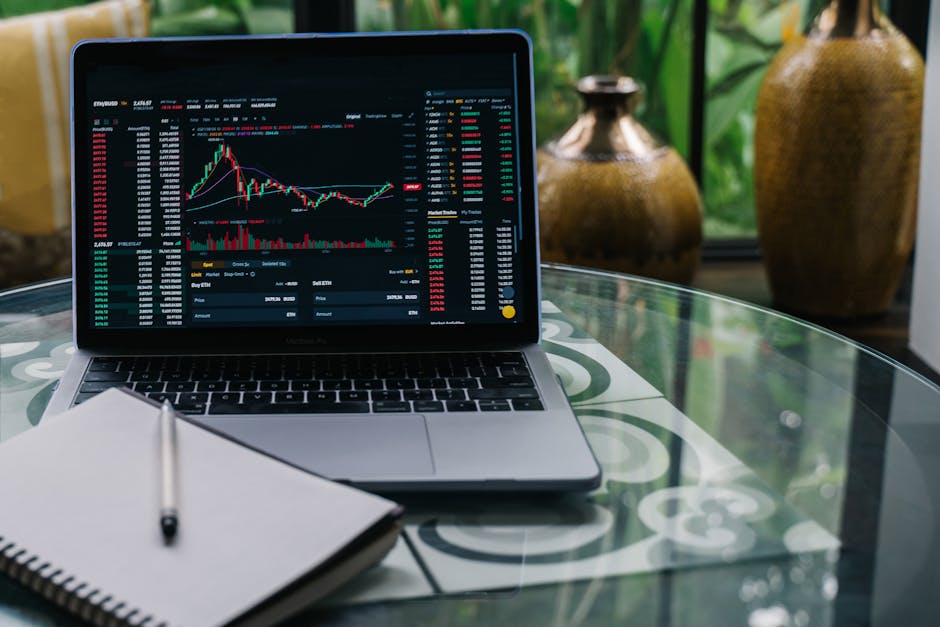
Finding the right cryptocurrency trading course can be the difference between success and failure in a market that shifts at lightning speed. While many courses skim the surface with basic buy/sell tactics, the most effective programs look closelyer, offering insights into trading strategies tailored for various market conditions and psychological aspects that often trip up traders.
What are the Best Strategies for Cryptocurrency Trading?
-
Bullish Market Strategies. In a bullish market, traders typically aim to capitalize on rising prices. Key strategies include trend following, where traders buy into upward price movements, and momentum trading, which involves buying assets that exhibit strong upward trends. It’s crucial to set stop-loss orders to protect profits as prices climb.
-
Bearish Market Strategies. During bearish markets, traders often focus on strategies that capitalize on declining prices. Short selling, where traders borrow assets to sell them at a higher price and repurchase at a lower price, is common. Hedging with options can also protect against losses, allowing traders to offset potential downturns.
-
Volatile Market Strategies. Volatility presents unique trading opportunities. Scalp trading, which involves making numerous small trades to profit from minor price changes, is effective in this environment. Additionally, traders can use straddles, which involve buying both call and put options to profit from significant price swings in either direction.
Understanding these strategies equips traders with tools to work through different market conditions effectively. Each strategy requires keen market observation and the ability to adapt to changing price movements.
Who are the Successful Cryptocurrency Traders?
Case Study 1: Trader A’s Journey
One notable figure in the cryptocurrency trading world is Trader A, who began trading in 2017. Initially, Trader A focused on Bitcoin, but quickly expanded to altcoins after recognizing their potential for rapid gains. Through meticulous research and analyzing market trends, Trader A developed a strategy that emphasized risk management and diversified investments.
Trader A faced significant challenges, particularly during market downturns. Key decisions made in high-stress situations shaped their approach. For instance, during a sudden market crash in 2018, Trader A opted to hold rather than panic-sell, which ultimately paid off as the market recovered. This experience taught Trader A the importance of maintaining emotional composure and sticking to a well-defined trading plan.
Case Study 2: Trader B’s Decision-Making Process
Another successful trader, Trader B, has a unique decision-making process that blends technical analysis with intuition. Since entering the crypto space in 2019, Trader B has used a combination of chart patterns and market sentiment to make trading decisions. For example, during a bullish market in early 2021, Trader B capitalized on emerging altcoins by identifying trends early.
Trader B’s approach emphasizes flexibility. Adjusting strategies based on evolving market conditions has proven effective. Trader B noted a critical lesson after missing out on a significant rally due to over-analysis. This experience highlighted the necessity of balancing research with timely execution.
Lessons Learned from Successful Traders
Successful traders often share common lessons that extend beyond technical skills. First, both Trader A and Trader B stress the importance of education. Continuous learning about market dynamics has been vital to their success. Second, maintaining a disciplined approach to trading helps in managing emotional responses, especially during volatile periods.
Both traders also emphasize the necessity of having a risk management strategy. This practice protects their investments and mitigates losses. Lastly, they advocate for networking with other traders to share insights and strategies, which can lead to more informed decision-making. These lessons, often overlooked in standard courses, are essential for aspiring traders aiming for success.
What Psychological Factors Affect Trading Success?
Understanding Trading Psychology
Why is psychology crucial in trading? The mindset of a trader can significantly influence their decision-making process. Successful traders understand that emotions such as fear and greed can lead to impulsive actions that derail their strategies. Recognizing psychological factors helps traders cultivate a disciplined approach, ultimately enhancing their trading performance.
Common Mental Traps in Trading
-
Confirmation Bias. Many traders seek information that supports their existing beliefs, ignoring contrary data. This can result in poor decision-making and increased losses.
-
Loss Aversion. Traders often prefer avoiding losses over acquiring equivalent gains. This fear can prevent them from cutting losses or taking necessary risks at optimal moments.
-
Overtrading. The excitement of trading can lead to excessive activity, often resulting in significant losses. It’s vital to maintain a balanced approach and not let emotions drive frequency.
-
Recency Bias. Traders may give undue weight to recent events or trends, leading to misinterpretations of market conditions. A broader perspective is essential for informed decisions.
Techniques for Emotional Management
-
Develop a Trading Plan. A well-structured plan provides a roadmap for trades, helping to reduce emotional reactions. Specific strategies should dictate entry and exit points.
-
Practice Mindfulness. Engaging in mindfulness techniques can enhance self-awareness and emotional regulation, aiding traders in maintaining focus during high-stress situations.
-
Set Realistic Goals. Establishing achievable objectives can minimize frustration and promote a positive trading environment. Break larger goals into smaller, manageable milestones.
-
Utilize Journaling. Keeping a trading journal allows traders to reflect on their decisions and emotions. This practice fosters accountability and highlights areas needing improvement.
Understanding these psychological factors equips traders with tools to manage their mindset effectively. Mastering emotional regulation and awareness can lead to more successful trading outcomes.

How Do Different Trading Platforms Compare?
“Choosing the right trading platform can significantly impact your trading success.”
Platform A: Pros and Cons
Pros: Platform A is known for its user-friendly interface, making it accessible for beginners. It offers a variety of trading tools and educational resources, which can be beneficial for traders at all levels. Additionally, the platform has competitive fees, particularly for high-volume traders.
Cons: However, some users report that customer service can be lacking, with slow response times during peak periods. advanced traders may find its feature set somewhat limited compared to other platforms.
Platform B: Pros and Cons
Pros: Platform B stands out for its advanced charting tools and technical analysis features, appealing to seasoned traders. It also provides a complete selection of cryptocurrencies, allowing for diverse trading options. Users frequently commend its strong security measures.
Cons: On the downside, Platform B tends to have higher fees, particularly for small trades. Some new users have mentioned that the learning curve can be steep, potentially making it less suitable for beginners.
Platform C: Pros and Cons
Pros: Platform C is celebrated for its mobile app, which offers smooth trading on the go. It provides real-time market data and alerts, enhancing the trading experience. The platform also has an intuitive design, making navigation simple.
Cons: However, it may lack some advanced features found in competitors, which could deter experienced traders. Additionally, the limited customer support options can be a drawback for users needing assistance.
| Platform | Features | Fees | User Experience |
|---|---|---|---|
| A | User-friendly, educational tools | Competitive | Generally positive, but slow support |
| B | Advanced charting, diverse crypto | Higher for small trades | Steep learning curve for beginners |
| C | Excellent mobile app | Moderate | Intuitive design, limited support |
, the effectiveness of a trading platform varies significantly based on user experience and trading needs. Each option has its strengths and weaknesses, making it essential for traders to assess their individual priorities before choosing a platform.
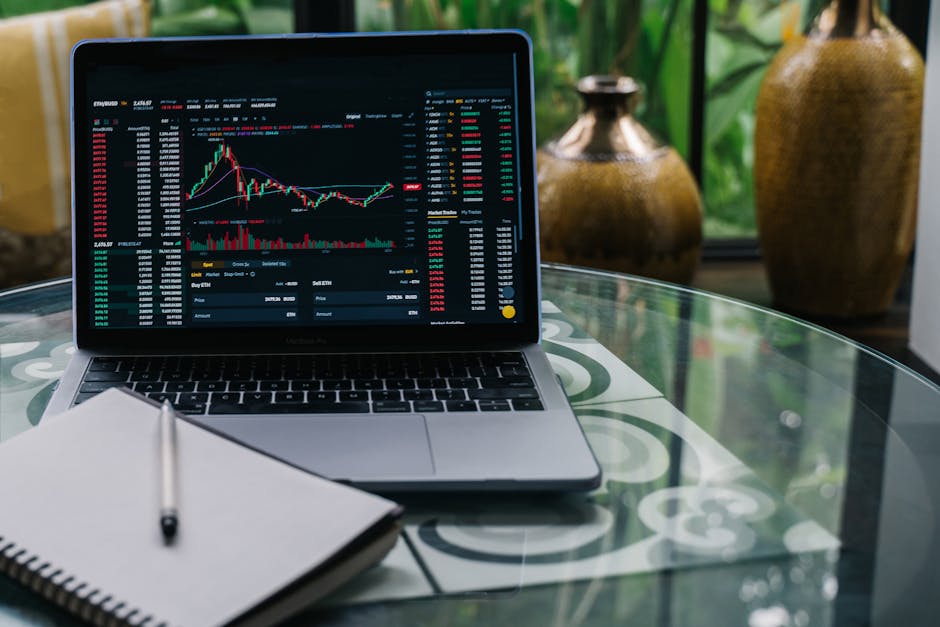
What Regulatory Changes Should Traders Be Aware Of?
-
Recent Regulations Impacting Trading. In the past year, several key regulations have shifted how cryptocurrency trading operates. The U.S. Securities and Exchange Commission (SEC) has increased scrutiny on exchanges, emphasizing compliance with securities laws. Traders must ensure they understand which cryptocurrencies are considered securities to avoid potential pitfalls.
-
Future Regulations to Watch. Looking ahead, potential regulations could reshape the landscape significantly. For instance, the proposed Digital Asset Market Structure bill aims to clarify the regulatory framework for digital assets. Keeping an eye on such developments is essential for traders to adjust their strategies accordingly and remain compliant.
-
Adapting Strategies to Regulatory Changes. As regulations evolve, so must trading strategies. It’s crucial to integrate compliance into your trading plan. This might mean diversifying into assets less affected by regulations or employing risk management techniques that account for potential policy changes. Staying informed can help traders pivot effectively as the regulatory environment shifts.
What Skills Can You Gain from Cryptocurrency Trading Courses?
-
Technical Analysis Skills. An essential skill for any trader, technical analysis involves studying price charts and patterns to predict future market movements. Understanding indicators like moving averages and relative strength can significantly enhance your trading decisions.
-
Risk Management Techniques. Effective risk management is crucial to protect your investments. Courses often teach position sizing, stop-loss orders, and diversification strategies, helping you minimize potential losses while maximizing gains.
-
Market Research and Analysis. Being able to analyze market trends and news is vital in the fast-paced world of cryptocurrency. You’ll learn how to interpret data, follow market sentiment, and evaluate different cryptocurrencies based on their unique fundamentals.
Each of these skills is practical, enabling you to work through the complexities of cryptocurrency trading with confidence.