
Navigating the unpredictable waters of cryptocurrency trading requires more than just market knowledge; understanding the psychological traps that can lead to poor decisions is crucial for success. Many novice traders overlook cognitive biases like loss aversion and overconfidence, which can distort their judgment and impact their investments. By recognizing these pitfalls, traders can significantly improve their decision-making processes and enhance their chances of thriving in this volatile market.
What Psychological Factors Influence Cryptocurrency Trading?
-
Understanding Loss Aversion. This psychological phenomenon describes how people tend to prefer avoiding losses over acquiring equivalent gains. In cryptocurrency trading, this can lead to holding onto losing positions longer than advisable, resulting in bigger losses. Recognizing this bias can help mitigate poor decision-making.
-
The Overconfidence Bias. Many traders overestimate their knowledge or ability to predict market movements. This overconfidence can lead to excessive risk-taking and trading too frequently. Acknowledging this bias encourages more thoughtful analysis before making trades, potentially reducing impulsive choices.
-
Managing Emotional Responses. Emotional reactions to market fluctuations can cloud judgment. Traders may feel fear or greed, prompting rash decisions. Implementing strategies to manage these emotions, such as setting predefined trading rules or using stop-loss orders, can improve trading outcomes.
-
Cognitive Dissonance. When faced with conflicting information, traders may cling to their beliefs, impacting their decisions. By being aware of this bias, traders can remain open to diverse perspectives and adjust their strategies accordingly.
-
Confirmation Bias. Traders often seek information that supports their existing beliefs while ignoring contrary evidence. This can result in poor investment choices. Actively seeking out and considering opposing viewpoints can enhance decision-making.
Exploring these psychological factors is crucial, as they often influence the trading strategies of beginners. Acknowledging these biases can improve decision-making and lead to more successful trading experiences.
Comparing Trading Strategies: Which One Suits You Best?
Day Trading: Fast-Paced and High Risk
Day trading involves buying and selling cryptocurrency within the same day. Traders aim to capitalize on short-term price fluctuations. This strategy demands significant time commitment and quick decision-making. For instance, in 2020, a day trader managed to earn a 200% return on investment by capitalizing on Bitcoin’s volatility during market spikes. However, it’s essential to note that losses can be equally rapid, making this strategy risky, especially for beginners.
Swing Trading: Balancing Time and Risk
Swing trading focuses on taking advantage of price “swings” in the market over several days or weeks. This approach requires less time compared to day trading and is suitable for those who can’t monitor the markets constantly. A notable case was during the Ethereum surge in early 2021, where swing traders saw returns of 150% over several weeks. However, the approach still carries risks due to potential market reversals.
HODLing: A Long-Term Approach
HODLing refers to buying cryptocurrency and holding it for an extended period, regardless of price fluctuations. This strategy is often favored by those who believe in the long-term potential of assets like Bitcoin. For instance, those who HODLed Bitcoin from 2016 to 2021 witnessed a price increase of over 1,000%. While HODLing can yield substantial profits, it requires patience and a strong belief in the asset’s future.
| Strategy | Pros | Cons |
|---|---|---|
| Day Trading | High potential returns, quick gains | High risk, time-consuming |
| Swing Trading | Less time-intensive, potential for significant returns | Requires market knowledge, risk of reversals |
| HODLing | Simplicity, long-term gains | Requires patience, volatility risk |
This comparison provides insights into various trading strategies, allowing readers to consider their risk tolerance and investment objectives when choosing an approach.
How Do Regulatory Changes Affect Cryptocurrency Trading?
Cryptocurrency trading is significantly influenced by regulatory changes, which can reshape market dynamics. For instance, the European Union’s Markets in Crypto-Assets (MiCA) framework, set to take effect in 2024, aims to provide clarity for digital asset regulation, promoting safer trading environments. This legislation is expected to offer a consistent regulatory approach across member states, impacting how traders operate on an international scale.
In the United States, the Securities and Exchange Commission (SEC) has intensified scrutiny over cryptocurrency exchanges and initial coin offerings (ICOs). This heightened regulation, including the enforcement of stricter compliance measures, has led some traders to adapt their strategies. For example, traders are now more cautious about investing in projects that lack clear regulatory oversight, which could mitigate potential losses.
As a consequence of these regulatory shifts, many traders are seeking to enhance their knowledge of compliance and adapt their trading strategies accordingly. This can involve focusing on assets that are compliant with new regulations, thereby reducing risks associated with sudden regulatory changes. The ongoing evolution of regulations globally indicates that traders must remain vigilant and adaptable. The future of cryptocurrency trading will likely involve continuous adjustments in response to legislative developments.
The impact of these regulations will continue to unfold, but one thing is clear: traders must be proactive in understanding how these changes will affect their trading practices and market opportunities. With regulations evolving, staying informed is crucial for success in this dynamic environment.
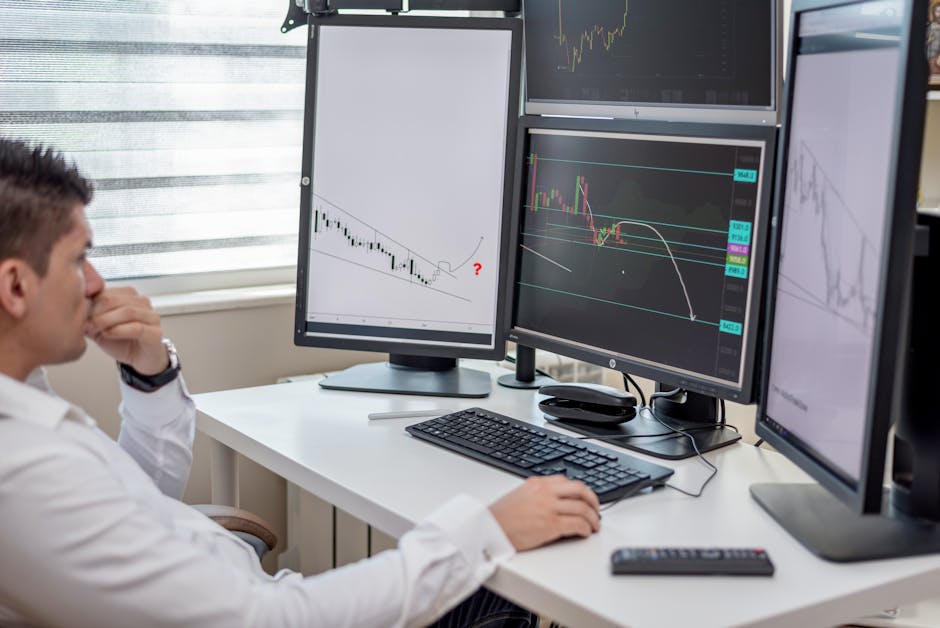
What Role Does Technology Play in Cryptocurrency Trading?
Technology matters in cryptocurrency trading, influencing how traders analyze market trends and execute trades. Here’s a look at various technological tools that shape the trading landscape.
-
AI in Predictive Analytics. Artificial Intelligence is increasingly utilized in predicting market trends. By analyzing vast datasets, AI can identify patterns and offer insights that would be challenging for human traders to discern. This capability can lead to informed trading decisions, although it relies heavily on data quality.
-
Machine Learning for Market Analysis. Machine learning algorithms improve over time, enabling traders to adapt strategies based on historical data and real-time market fluctuations. These tools can enhance decision-making speed and accuracy, but they require significant computational power and may lead to overfitting if not managed carefully.
-
Using Trading Bots Effectively. Automated trading bots execute trades based on predetermined criteria, allowing for quick responses to market changes. While they can enhance trading efficiency, traders must monitor their performance to avoid losses from poorly configured algorithms or market anomalies.
-
Blockchain Technology for Transparency. Blockchain provides a decentralized ledger that enhances transaction transparency and security. This technology reduces fraud risk, but potential scalability issues may hinder its effectiveness during high trading volumes.
-
Data Analytics Tools. Advanced data analytics platforms offer traders insights into market sentiment and trading volume. While these tools can improve strategic decision-making, they require a strong understanding of analytics to interpret data accurately.
The integration of advanced technologies like AI and machine learning in cryptocurrency trading offers a competitive edge, often overlooked in beginner guides. These tools not only enhance predictive capabilities but also encourage strategic decision-making based on real-time data analysis.
Incorporating technology into trading strategies can provide significant advantages, but traders must remain vigilant and informed to work through the challenges that accompany these advancements.